Best Electronics Recycling Services for Schools
Green Initiatives: How E-Waste Recycling Services Are Protecting Our Planet
E-waste represents a considerable hazard to the environment, as disposed electronics frequently harbor hazardous substances. These toxic materials have the potential to taint soil and water sources, leading to broader ecological damage. E-waste recycling initiatives provide a practical answer. They serve the dual purpose of reclaiming precious materials and reducing contamination. Understanding how these services operate and their impact on communities is essential. The journey towards effective e-waste management raises critical questions about individual responsibility and collective action. What measures can be pursued from this point onward?
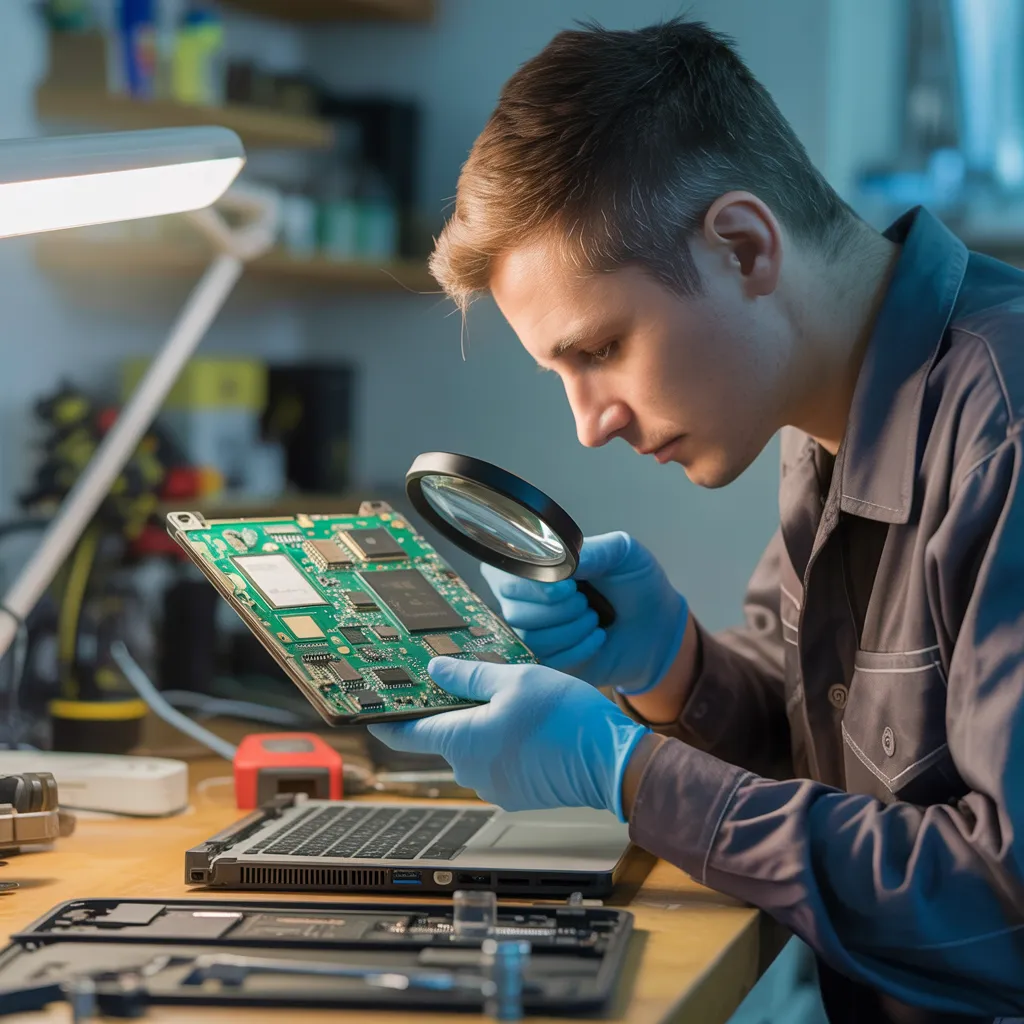
How E-Waste Is Hurting the Planet
Although technology enhances modern life, e-waste creates serious threats to the environment. Disposed electronic equipment, often containing toxic substances including cadmium, lead, and mercury, can leach toxins into the surrounding soil and water supply, posing risks to human health and ecosystems. The swift progression of technology leads to higher rates of electronics disposal among consumers, worsening the buildup of electronic waste.
Landfills, already burdened with waste, struggle to accommodate the growing volumes of discarded gadgets. Incineration, another disposal method, releases harmful pollutants into the atmosphere, contributing to air quality degradation. In addition, improper recycling practices can lead to the exportation of e-waste to developing countries, where laborers may dismantle devices without adequate safety measures, exposing themselves to dangerous substances. This pattern of negligence and mismanagement highlights the critical demand for eco-friendly recycling alternatives that can reduce the damaging impact of electronic waste on the environment.
What Is E-Waste and Its Importance?
Electronic waste, commonly known as e-waste, comprises discarded electronic devices including computers, smartphones, and televisions that are no longer functional or needed. This rapidly expanding waste category is noteworthy because of its swift buildup, propelled by advances in technology and evolving consumer behaviors. As more devices become obsolete, the toll on the environment grows more severe, with dangerous elements including lead, mercury, and cadmium presenting serious hazards to the environment and human well-being.
Addressing e-waste is crucial not only for reducing these dangers but also for acknowledging the precious materials found within it. Critical metals and rare earth components can be reclaimed and recycled, decreasing the reliance on mining and protecting natural resources. Through a deeper awareness of e-waste and its consequences, both individuals and organizations can make well-informed choices regarding disposal and recycling, thereby supporting a more sustainable future. Responsible management of e-waste plays a key role in supporting a circular economy and championing environmental stewardship.
How E-Waste Recycling Works
Recycling e-waste involves a systematic process intended to extract beneficial components while minimizing environmental impact. Initially, electronic waste is gathered and delivered to specialized recycling facilities. Once there, the electronics are carefully categorized to isolate dangerous parts from recoverable materials.
After this step, technicians break down the items, recovering metals, plastics, and glass. This phase is essential, as it makes possible the reclamation of high-value metals like gold, silver, and copper, which can be recycled in new electronics.
Afterward, the separated materials are treated via advanced techniques, such as shredding and chemical treatments, to refine them for repurposing.
In the final step, the remaining hazardous waste is handled with responsibility, adhering to environmental regulations. This comprehensive process not only saves important resources but also reduces the dangers associated with unsafe e-waste handling, ensuring a more sustainable future for electronic device usage.
The Benefits of E-Waste Recycling for You and Your Community
Though many people are unaware, the advantages of e-waste recycling extend beyond personal convenience to positively impact entire communities. By responsibly disposing of electronic waste, individuals help foster a healthier environment, reducing harmful substances that can contaminate soil and water. This forward-thinking practice works to protect local ecosystems and supports public health.
Moreover, electronic waste recycling supports job creation within communities. Regional recycling centers frequently need staff for numerous tasks, spanning collection through processing, thereby providing employment opportunities for community members. This not only strengthens the regional economy but also inspires community dedication to sustainable efforts.
Moreover, understanding of e-waste recycling has the potential to generate awareness campaigns, empowering residents to adopt eco-friendly choices. By participating in e-waste recycling programs, individuals promote a culture of sustainability, motivating others to follow suit. In summary, the collective impact of these actions can create a more sustainable and conscientious community.
How to Choose an E-Waste Recycling Service
Picking the best e-waste disposal service is crucial for making sure that electronic waste is handled in a responsible and sustainable manner. First, people should confirm the company's certifications, such as R2 and e-Stewards certifications, which demonstrate conformance to professional guidelines for responsible recycling methods. Additionally, it is advisable to assess the organization's credibility by reading customer reviews and obtaining recommendations from trusted sources.
Furthermore, clarity in the recycling process is essential. A dependable company should supply straightforward details about the manner in which e-waste is managed and what happens to the materials. Furthermore, evaluating the range of services offered can be beneficial; various firms may supply retrieval services or extend benefits for recycling.
In addition, learning about local guidelines related to e-waste disposal may further shape the decision-making process. When these considerations are given priority, residents can actively participate in successful electronic waste reduction alongside encouraging eco-friendly habits.
How You Can Get Involved in E-Waste Recycling?
Getting involved with e-waste recycling often starts at the local level, where recycling centers regularly supply essential services for responsible disposal. Additionally, joining community awareness campaigns can amplify efforts to inform others regarding the importance of responsible e-waste management. Such efforts not only advance environmental sustainability but also foster a collective sense of responsibility toward the environment.
Local Recycling Centers
Several regional recycling hubs play an essential role in e-waste recycling, giving communities practical solutions to manage electronic waste appropriately. These facilities handle a wide array of digital devices, including outdated computers, mobile phones, and TVs, ensuring that harmful materials are handled safely. Many hubs feature knowledgeable personnel who help individuals navigate appropriate disposal procedures, underscoring the benefits of recycling compared to landfilling. Furthermore, numerous facilities provide organized drop-off opportunities or appointed collection periods, making participation convenient for residents. By engaging with these local facilities, residents support a circular economy, minimizing ecological impact and fostering sustainable behaviors. Partnering with these facilities empowers communities to take action against e-waste pollution effectively.
Community Outreach Campaigns
Nearby organizations, schools, and enterprises can collaborate to host events that promote e-waste collection drives. Community members can serve a critical function in spreading awareness, distributing educational materials, and engaging with the community. Through these collective efforts, residents become more informed and motivated to recycle their electronic waste, ultimately contributing to a more sustainable future.
Questions We Often Receive
What Electronic Devices Are Eligible for Recycling?
Numerous electronics can be recycled, including computers, smartphones, televisions, laptops, gaming consoles, and printers. Additionally, peripherals such as keyboards, mice, and batteries are equally appropriate for recycling, contributing to efforts to conserve the environment.
Is There a Cost Associated With E-Waste Recycling?
Yes, electronic waste recycling sometimes comes with costs, subject to the provider. Certain providers impose charges for pickup or handling, while some providers offer free services, typically funded by the resale of recovered materials.
How Can Businesses Benefit From E-Waste Recycling?
Organizations can gain from e-waste recycling by minimizing disposal costs, improving their green reputation, complying with regulations, extracting valuable resources, and potentially generating revenue through resale, thereby fostering a more environmentally responsible business approach.
What Occurs with Data on Recycled Devices?
Information from repurposed electronics is often irretrievably wiped or destroyed throughout the recycling process. This Read more guarantees confidential data stays protected, preventing unauthorized access while enabling materials to be repurposed securely and sustainably within new applications.
Can I Recycle Broken Electronics?
Absolutely, non-functioning electronics are able to be recycled. Numerous facilities accept damaged devices, ensuring proper disposal and recovery of useful materials. Doing so helps reduce the environmental footprint while encouraging responsible recycling practices to address e-waste properly.